

Keeping your dog clean and well-groomed is not just about appearance—it plays a vital role in their overall health, comfort, and happiness. Regular grooming helps prevent skin issues, reduces shedding, and allows you to spot potential health problems early. Whether you’re a new pet owner or someone looking to improve your routine, understanding the basics of dog grooming can make a big difference in your pet’s life.
Why Grooming Is Essential for Your Dog
Grooming is much more than brushing your dog’s fur. It is an essential part of responsible pet care. Regular grooming keeps your dog’s coat healthy, removes dirt and debris, and reduces the risk of infections. It also improves blood circulation and distributes natural oils across the skin, giving your dog a shiny, healthy coat.
Beyond physical health, grooming also contributes to your dog’s emotional well-being. A clean dog is a comfortable dog. When grooming becomes part of a routine, it can also strengthen the bond between you and your pet, building trust and making them feel secure.
Understanding Your Dog’s Coat Type
Different dog breeds have different coat types, and each requires a unique grooming approach. Some dogs have short, smooth coats that need minimal maintenance, while others have long, thick, or curly coats that require more frequent attention.
Short-haired dogs usually need brushing once or twice a week to remove loose hair and dirt. Medium to long-haired dogs may need daily brushing to prevent tangles and matting. Curly-coated breeds often require regular trimming in addition to brushing. Understanding your dog’s specific coat type will help you choose the right tools and frequency for grooming.
Brushing: The Foundation of Grooming
Brushing is one of the most important aspects of dog grooming. It helps remove loose fur, prevents matting, and keeps the coat looking neat. Regular brushing also allows you to check for fleas, ticks, or skin issues.
Choose a brush that suits your dog’s coat type. For example, slicker brushes are great for removing tangles, while bristle brushes work well for short-haired dogs. Start gently and make brushing a positive experience by rewarding your dog with treats and praise.
Consistency is key. Even a few minutes of brushing each day can make a big difference in maintaining your dog’s coat and reducing shedding around your home.
Bathing Your Dog the Right Way
Bathing is another crucial part of grooming, but it should not be overdone. Most dogs only need a bath every 4 to 6 weeks, though this can vary depending on their activity level and coat type.
Use a shampoo specifically designed for dogs, as human products can irritate their skin. Make sure to rinse thoroughly to avoid residue that can cause itching. Always use lukewarm water and avoid getting water in your dog’s ears and eyes.
After bathing, dry your dog properly using a towel or a pet-safe dryer. Leaving your dog damp can lead to skin problems, especially in colder climates.
Nail Trimming for Comfort and Health
Long nails can cause discomfort and even lead to joint problems over time. Regular nail trimming is essential to keep your dog comfortable and prevent injuries.
If you hear your dog’s nails clicking on the floor, it’s time for a trim. Use a proper nail clipper designed for dogs and be careful not to cut too close to the quick, which can cause bleeding and pain. If you’re unsure, start with small trims or seek help from a professional groomer.
Keeping your dog’s nails at a healthy length ensures they can walk and run comfortably without strain.
Ear Cleaning and Eye Care
Dogs’ ears can easily trap dirt, moisture, and wax, leading to infections if not cleaned regularly. Check your dog’s ears weekly and clean them with a vet-approved solution if needed. Look out for signs like redness, bad odor, or excessive scratching.
Eye care is equally important. Some dogs are prone to tear stains or discharge. Gently wiping around the eyes with a clean, damp cloth can help keep them clear and prevent irritation.
Regular checks of your dog’s ears and eyes can help you catch potential issues early and keep your pet feeling comfortable.
Dental Hygiene: An Often Overlooked Step
Dental care is a vital but often overlooked part of dog grooming. Poor oral hygiene can lead to bad breath, gum disease, and even more serious health issues.
Brushing your dog’s teeth several times a week using a dog-friendly toothpaste can significantly improve their dental health. Dental chews and toys can also help reduce plaque buildup.
Establishing a dental care routine early makes it easier for your dog to adapt and ensures their teeth and gums remain healthy.
Dealing with Shedding and Seasonal Changes
Shedding is a natural process for most dogs, but it can increase during seasonal changes. Regular brushing becomes even more important during these periods to manage loose hair and keep your home cleaner.
Using the right grooming tools can help reduce shedding and keep your dog’s coat in good condition. Maintaining a healthy diet also plays a role in minimizing excessive shedding.
Understanding your dog’s shedding patterns allows you to adjust your grooming routine accordingly.
Professional Grooming vs. At-Home Care
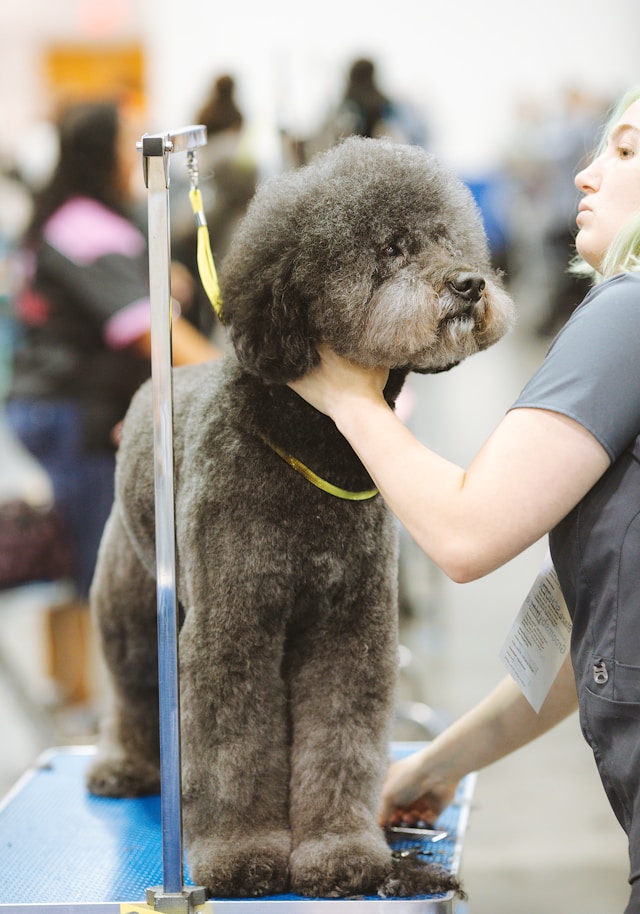
While many grooming tasks can be done at home, professional grooming services can be beneficial, especially for dogs with complex grooming needs. Professional groomers have the tools and expertise to handle tasks like trimming, styling, and dealing with heavily matted fur.
That said, regular at-home grooming helps maintain your dog’s hygiene between professional visits. A balanced approach ensures your dog stays clean, comfortable, and healthy year-round.
Making Grooming a Positive Experience
Some dogs may feel anxious or uncomfortable during grooming, especially if they are not used to it. The key is to introduce grooming gradually and create a calm environment.
Use treats, gentle handling, and positive reinforcement to help your dog associate grooming with something pleasant. Keep sessions short in the beginning and gradually increase the duration as your dog becomes more comfortable.
Patience and consistency will help your dog develop a positive attitude toward grooming over time.
Common Grooming Mistakes to Avoid
Many pet owners unknowingly make grooming mistakes that can affect their dog’s health. Overbathing can strip natural oils from the skin, while using the wrong tools can damage the coat. Ignoring small issues like tangles or ear dirt can lead to bigger problems if left untreated.
Another common mistake is rushing the grooming process. Taking your time ensures that grooming is done properly and safely. Always pay attention to your dog’s behavior and adjust your approach if they seem stressed or uncomfortable.
Final Thoughts on Keeping Your Dog Happy and Healthy
Dog grooming is an essential part of caring for your pet. It goes beyond keeping them looking good—it directly impacts their health, comfort, and overall happiness. By establishing a regular grooming routine and understanding your dog’s specific needs, you can ensure they stay in the best possible condition.
With patience, the right tools, and a little consistency, grooming can become an enjoyable experience for both you and your dog. A well-groomed dog is not only healthier but also more confident and content, making your bond even stronger.