

Introduction
A healthy, shiny coat is one of the clearest indicators of a dog’s overall well-being. Grooming goes far beyond appearance—it supports skin health, prevents infections, reduces shedding, and strengthens the bond between dog and owner. Whether your dog has short hair, long fur, a curly coat, or a double coat, consistent grooming is essential. This comprehensive guide covers techniques, tools, and best practices to help you maintain a beautiful, healthy coat for your dog.
Understanding Your Dog’s Coat Type
Different coat types have unique grooming needs. Before beginning a grooming routine, it is important to understand your dog’s specific coat type.
Short Coats
Breeds like beagles, boxers, and Dalmatians have short coats that are easy to maintain. They require regular brushing to remove loose hair and distribute natural oils.
Medium to Long Coats
Breeds such as golden retrievers, collies, and spaniels need more frequent grooming. Long coats can mat easily and require consistent brushing, detangling, and occasional trimming.
Curly or Wavy Coats
Poodles and bichon frises have curly coats that trap debris and mat quickly. These coats require weekly brushing and regular trimming to stay healthy.
Double Coats
Breeds like huskies, German shepherds, and akitas have dense double coats. They shed seasonally and require thorough brushing to remove the undercoat.
Wire Coats
Terriers with wiry coats may require hand-stripping, a technique that removes dead hair to maintain texture.
Understanding the coat type helps you choose the right grooming tools and routine.
Essential Grooming Tools
Proper grooming requires the right tools. Investing in quality equipment improves results and ensures comfort for your dog.
Brushes
- Slicker Brush: Ideal for removing tangles and loose hair.
- Pin Brush: Suitable for long or medium coats.
- Bristle Brush: Helps distribute oils and add shine, ideal for short-haired breeds.
- Undercoat Rake: Removes deep loose hair from double coats.
Combs
- Wide-Tooth Combs: Detangle long fur gently.
- Fine-Tooth Combs: Detect and remove fleas, debris, and small knots.
Clippers and Scissors
For trimming sensitive areas or full grooming sessions:
- Grooming scissors for face and paws
- Electric clippers for body trims
Bathing Tools
- Dog-specific shampoo and conditioner
- Towels and blow dryer (cool setting)
- Non-slip bath mat
Using the appropriate tools ensures effective grooming and reduces discomfort.
Brushing Techniques for a Shiny Coat
Brushing is one of the most important grooming steps. Regular brushing removes loose fur, prevents tangles, and stimulates natural oils.
Short Coat Brushing
Use a bristle or rubber brush. Begin at the neck and work backward in gentle strokes. Brush in the direction of coat growth to remove dirt and promote shine.
Long Coat Brushing
Start by detangling with a wide-tooth comb. Work in small sections and hold the fur near the skin to prevent pulling. Finish with a slicker or pin brush for a smooth, glossy coat.
Double Coat Brushing
Use an undercoat rake to remove deep loose fur. Brush layer by layer, lifting sections of the coat. During shedding seasons, daily brushing is recommended.
Curly Coat Brushing
Curly coats require frequent brushing to avoid mats. Use a slicker brush and comb through curls gently. Brush thoroughly before bathing to prevent further tangling.
Frequent brushing improves coat shine by distributing oils evenly across the fur.
Bathing Your Dog Properly
Bathing is essential but should be done correctly to maintain coat health.
How Often to Bathe
Most dogs benefit from bathing every 4–6 weeks. Over-bathing strips natural oils and causes dryness. Dogs with skin conditions may require specialized schedules based on veterinary advice.
Choosing the Right Shampoo
Use shampoo formulated for dogs. Avoid human shampoo as it disrupts pH balance. Choose shampoos based on coat type or needs:
- Oatmeal shampoo for sensitive skin
- Hypoallergenic shampoo for allergies
- Deodorizing shampoo for strong odors
- Medicated shampoo for skin issues
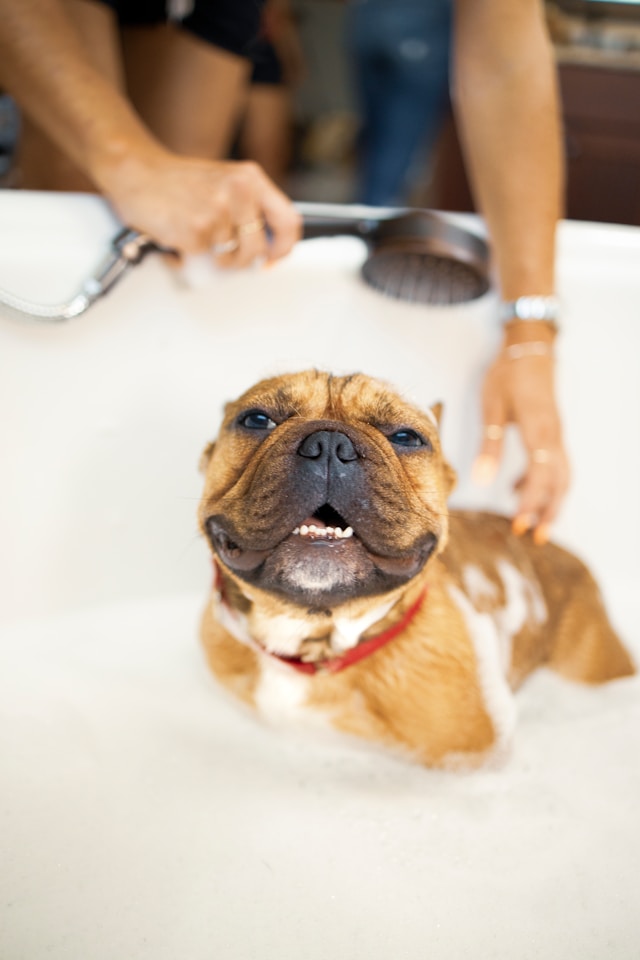
Bathing Steps
- Brush your dog thoroughly before bathing.
- Wet the coat completely with lukewarm water.
- Apply shampoo from neck to tail, avoiding eyes and ears.
- Massage gently into the coat and skin.
- Rinse thoroughly to remove all residue.
- Apply conditioner if needed for softness and tangle reduction.
- Towel dry and follow with blow drying on a cool setting if appropriate.
Bathing properly prevents dryness, irritation, and lingering odors.
Preventing and Treating Mats
Matted fur can cause pain, restrict movement, and lead to skin infections.
How Mats Form
Mats typically develop behind the ears, under the collar, in the armpits, and around the tail—areas of frequent friction.
Removing Mats
- Use a detangling spray to loosen knots.
- Hold the fur near the skin to reduce pulling.
- Use a dematting comb or your fingers to gently work through knots.
- Severe mats may require professional grooming to shave safely.
Prevention
Consistent brushing is the most effective way to prevent mats.
Nail Trimming and Paw Care
Healthy paws are essential for comfort and mobility. Overgrown nails can cause pain, affect posture, and lead to injuries.
Nail Trimming
Check nails weekly. Trim small amounts at a time to avoid cutting the quick. Dogs with dark nails may require extra caution.
Paw Pad Care
Inspect pads for cracks, debris, or dryness. Use dog-safe balms to maintain moisture and prevent irritation.
Ear Cleaning
Ears must be cleaned regularly to prevent infections, especially for dogs with floppy ears or heavy coats.
Cleaning Steps
- Use a veterinarian-approved ear cleaner.
- Apply a small amount to the ear canal.
- Massage the base of the ear to loosen debris.
- Wipe away dirt with cotton pads.
Avoid inserting cotton swabs deep into the ear to prevent injury.
Eye Care
Some dogs develop tear stains or eye discharge. Clean gently with a damp cloth or dog-safe eye wipes. Keep hair trimmed around the eyes to prevent irritation.
Skin Health and Coat Supplements
Healthy skin is essential for a shiny coat. Nutritional deficiencies can lead to dryness, dull fur, and excessive shedding.
Supplements That Promote Coat Health
- Omega-3 and omega-6 fatty acids
- Fish oil
- Biotin
- Vitamin E
Consult your veterinarian before adding supplements to ensure safety and proper dosage.
Professional Grooming
Certain breeds require specialized trimming or grooming techniques best handled by professionals. Regular visits every 6–8 weeks help maintain coat shape, hygiene, and health.
Professional groomers can also detect early signs of skin issues, parasites, or lumps.
Seasonal Grooming Care
Dogs shed more during spring and fall. Seasonal grooming includes more frequent brushing, deshedding, and ensuring the coat adjusts properly to weather changes.
Conclusion
A healthy, shiny coat is the result of consistent grooming, proper nutrition, and attentive care. By understanding your dog’s coat type, using the right tools, brushing regularly, bathing properly, and maintaining overall hygiene, you support your dog’s physical health and appearance. With patience, routine, and gentle handling, grooming becomes a rewarding experience that strengthens your bond and keeps your dog looking and feeling their best.

