

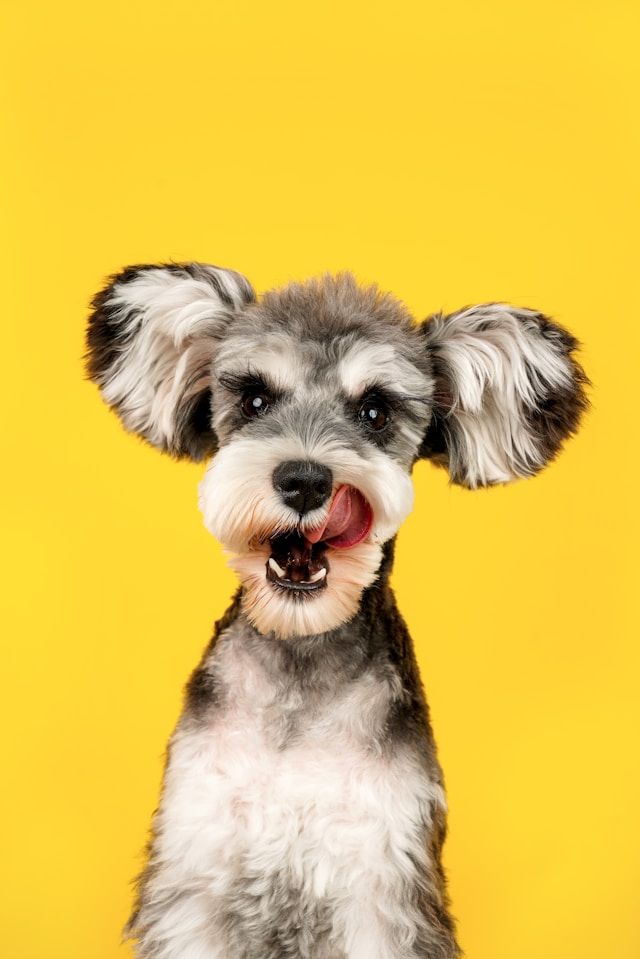
Bringing a puppy into your home is an exciting and joyful experience. Puppies are full of energy, curiosity, and affection, but they also require guidance, structure, and patience. Proper training during the early months lays the foundation for a well-behaved, confident, and emotionally balanced adult dog.
Puppy training is not about strict discipline. It is about teaching good habits, building trust, and helping your puppy understand how to live happily within your family. This guide covers everything you need to know to raise a happy and obedient dog from the very beginning.
Why Early Training Is Important
The first few months of a puppy’s life are critical for learning. During this period, puppies are more open to new experiences and habits. Training early helps prevent future behavior problems and makes learning easier.
Early training helps your puppy:
- Learn basic manners
- Develop confidence
- Build trust with owners
- Reduce fear and anxiety
- Adapt to new environments
- Improve social skills
Puppies that receive consistent early training are more likely to become calm, reliable, and well-adjusted adults.
Understanding Your Puppy’s Development
Puppies go through several developmental stages that affect behavior and learning ability.
Neonatal and Transitional Stage
From birth to about three weeks, puppies depend completely on their mother. Human interaction is limited during this time.
Socialization Stage
Between three and fourteen weeks, puppies are most open to learning and forming impressions. This is the best time to introduce new people, animals, sounds, and environments.
Juvenile Stage
From three to six months, puppies become more independent and energetic. Training consistency is especially important during this phase.
Understanding these stages helps you set realistic expectations and adjust training methods accordingly.
Creating a Safe and Structured Environment
A structured environment helps puppies feel secure and confident.
Provide:
- A comfortable sleeping area
- Designated feeding space
- Safe chew toys
- Puppy-proofed rooms
- Clear household boundaries
Remove hazards such as electrical cords, toxic plants, and small objects. A safe environment reduces accidents and supports learning.
Establish routines for feeding, playtime, training, and rest. Predictable schedules help puppies feel secure.
Building Trust and Positive Relationships
Training works best when built on trust and mutual respect.
Spend quality time playing, walking, and bonding with your puppy. Speak in a calm, encouraging tone and use gentle handling.
Avoid shouting, harsh corrections, or physical punishment. These methods damage trust and may cause fear-based behavior.
A puppy that feels loved and safe learns faster and behaves better.
House Training Your Puppy
House training is often the first major challenge for new puppy owners. With consistency and patience, most puppies learn quickly.
Establishing a Bathroom Routine
Take your puppy outside:
- After waking up
- After meals
- After playtime
- Before bedtime
- Every two to three hours
Choose one bathroom spot and always use it. This helps your puppy associate the location with elimination.
Rewarding Success
Praise and reward your puppy immediately after they go in the correct place. Timing is crucial for learning.
If accidents happen indoors, clean thoroughly and avoid punishment. Focus on reinforcing correct behavior instead.
Teaching Basic Commands
Basic commands provide structure and improve safety.
Sit
Hold a treat above your puppy’s nose and move it backward until they sit. Say “sit” and reward immediately.
Stay
Ask your puppy to sit, hold your hand up, and say “stay.” Step back briefly and reward if they remain still.
Come
Call your puppy’s name followed by “come” in a cheerful voice. Reward when they approach you.
Down
Guide a treat from your puppy’s nose to the floor. When they lie down, say “down” and reward.
Leave It
Teach your puppy to ignore unwanted objects by rewarding them for turning away.
Practice commands daily in short sessions.
Using Positive Reinforcement
Positive reinforcement encourages learning through rewards and encouragement.
Rewards may include:
- Small treats
- Praise
- Playtime
- Petting
- Toys
Reward good behavior immediately. Gradually reduce treat dependence and replace it with verbal praise.
Avoid punishment-based training. Fear reduces learning and damages confidence.
Socializing Your Puppy
Socialization helps puppies grow into confident, friendly dogs.
Expose your puppy to:
- Different people
- Other dogs
- New environments
- Various sounds
- Different surfaces
Ensure experiences are positive and controlled. Gradual exposure prevents fear and aggression later in life.
Enroll in puppy socialization classes if available.
Teaching Bite Inhibition
Puppies naturally explore with their mouths. Teaching bite control prevents future problems.
When your puppy bites too hard during play, say “ouch” calmly and stop interaction briefly. Resume play when they calm down.
Provide appropriate chew toys and redirect biting behavior toward them.
Consistent guidance teaches gentle play.
Crate Training Your Puppy
Crate training provides a safe, comfortable space and helps with house training.
Introduce the crate gradually. Place soft bedding and toys inside. Encourage your puppy to enter voluntarily using treats.
Never use the crate as punishment. It should feel like a safe retreat.
Limit crate time based on age. Puppies need frequent bathroom breaks and social interaction.
Managing Chewing and Teething
Teething causes discomfort and increases chewing behavior.
Provide durable chew toys and rotate them regularly. Freeze safe chew toys to soothe sore gums.
Keep valuable items out of reach and supervise closely.
Praise your puppy for choosing appropriate objects.
Preventing Jumping and Bad Manners
Puppies often jump to seek attention.
Ignore jumping behavior and reward calm sitting instead. Ask visitors to follow the same approach.
Teach polite greetings early to prevent future problems.
Consistency is essential.
Mental Stimulation and Exercise
Puppies need both physical and mental activity.
Provide:
- Daily walks
- Play sessions
- Puzzle toys
- Training games
Avoid excessive exercise in young puppies to protect growing joints.
Balanced activity prevents boredom and destructive behavior.
Dealing With Setbacks and Challenges
Training is not always linear. Puppies may forget commands, test boundaries, or develop temporary behavior issues.
Remain patient and consistent. Review basics and reinforce positive habits.
Avoid frustration. Progress takes time.
Celebrate small improvements.
When to Seek Professional Help
If your puppy shows signs of aggression, extreme fear, or persistent behavior problems, seek professional training support.
Certified trainers can provide personalized guidance and prevent long-term issues.
Early intervention leads to better outcomes.
Maintaining Training Into Adulthood
Training does not end after puppyhood. Continue practicing commands, introducing new challenges, and reinforcing good behavior.
Ongoing training strengthens communication and keeps your dog mentally active.
Make learning part of everyday life.
Final Thoughts
Raising a happy and obedient dog begins with early, consistent, and compassionate training. By focusing on positive reinforcement, socialization, routine, and trust, you give your puppy the tools needed for lifelong success.
Every puppy learns at their own pace. With patience, dedication, and love, you can shape your puppy into a confident, well-mannered companion who brings joy to your life for many years to come.
Puppy training is not just about teaching commands. It is about building a relationship based on respect, understanding, and unconditional care.

