

Introduction
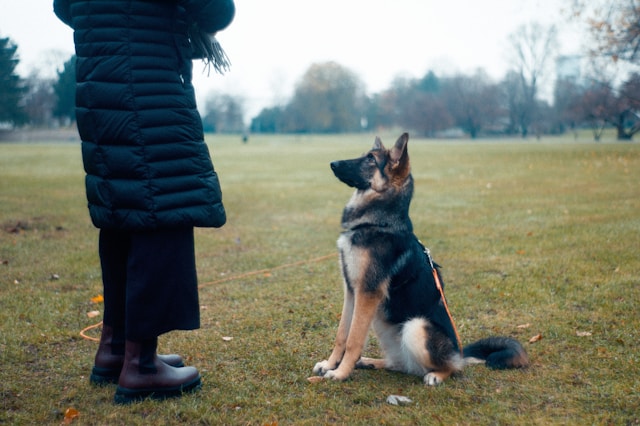
Training your dog is an essential part of responsible pet ownership. Among the many methods available, positive reinforcement training stands out as one of the most effective and humane approaches. This technique focuses on rewarding desirable behaviors rather than punishing undesirable ones, fostering a strong bond between dog and owner. Positive reinforcement encourages learning through motivation, consistency, and patience, leading to long-lasting behavioral improvements. This guide explores how to implement positive reinforcement training to teach your dog good behavior effectively.
Understanding Positive Reinforcement
Positive reinforcement is based on the principle that behaviors followed by rewards are more likely to be repeated. Rewards can include treats, praise, toys, or playtime. Unlike punishment-based methods, positive reinforcement avoids fear, stress, and aggression, making training a more enjoyable experience for both dog and owner.
Benefits of Positive Reinforcement
- Strengthens the human-dog bond: Training becomes a cooperative activity rather than a confrontation.
- Encourages rapid learning: Dogs are motivated to perform behaviors when they anticipate rewards.
- Reduces stress and anxiety: Avoids fear-based reactions associated with punishment.
- Promotes long-term behavioral improvement: Rewards create positive associations that last.
Preparing for Training
Successful positive reinforcement training begins with preparation. Understanding your dog’s needs, motivations, and environment is key to effective learning.
Choosing the Right Rewards
- Treats: Small, soft, and high-value treats are ideal for quick rewards during training sessions.
- Praise: Verbal affirmations such as “good boy” or “good girl” reinforce desired behavior.
- Toys and Play: Some dogs respond best to their favorite toy or a short play session as a reward.
Mixing rewards helps maintain motivation and keeps training sessions engaging.
Creating a Distraction-Free Environment
Begin training in a quiet, low-distraction area. This allows your dog to focus on learning new behaviors without being overwhelmed by stimuli such as other animals, people, or loud noises. Gradually introduce distractions as your dog becomes more proficient.
Setting Realistic Goals
Start with simple behaviors and commands, such as sit, stay, or come. Breaking training into small, achievable steps ensures consistent progress and prevents frustration for both owner and dog.
Basic Positive Reinforcement Training Techniques
Clicker Training
Clicker training is a highly effective method that uses a small device to mark desired behavior. The clicker is immediately followed by a reward, creating a clear association for the dog.
Steps for Clicker Training:
- Introduce the clicker by clicking and rewarding simultaneously.
- Encourage your dog to perform a simple behavior.
- Click immediately when the behavior occurs, followed by a reward.
- Repeat consistently until the dog associates the behavior with the click and reward.
Clicker training works well for teaching complex behaviors and tricks, as it provides precise timing for reinforcement.
Luring
Luring involves guiding your dog into a desired position using a treat or toy. For example, holding a treat above the dog’s head encourages them to sit naturally. Once the dog performs the behavior, reward them immediately.
Shaping
Shaping is a step-by-step approach where small approximations of the desired behavior are reinforced. Each incremental improvement is rewarded until the complete behavior is achieved. This technique is particularly useful for complex commands or tricks.
Essential Commands to Teach Using Positive Reinforcement
Sit
- Hold a treat above the dog’s nose.
- Move the treat backward toward the dog’s tail, causing them to lower into a sitting position.
- Click or praise as soon as the dog sits and give the treat.
Stay
- Ask your dog to sit.
- Take a small step back while giving the command “stay.”
- If the dog remains in place, immediately reward. Gradually increase distance and duration.
Come
- Use a cheerful tone and the command “come.”
- Reward the dog when they approach you.
- Practice in short sessions with minimal distractions, increasing difficulty over time.
Leave It
- Place a treat in front of the dog but do not allow them to take it.
- When the dog looks away or refrains from taking the treat, reward immediately.
- Repeat until the dog consistently ignores the treat until given permission.
Tips for Effective Positive Reinforcement
Timing Is Crucial
Rewards must be given immediately after the desired behavior occurs. Delayed reinforcement can confuse the dog and reduce the effectiveness of training.
Keep Sessions Short and Frequent
Dogs learn best in short, focused sessions lasting 5–15 minutes. Multiple short sessions per day are more effective than long, exhausting training periods.
Be Consistent
Use the same commands, hand signals, and rewards consistently. Consistency reinforces learning and prevents confusion.
Avoid Punishment
Punishing undesirable behaviors can create fear and anxiety, which undermines the principles of positive reinforcement. Redirect unwanted behavior toward a desired alternative and reward compliance.
Gradually Increase Difficulty
Once your dog masters basic commands in a controlled environment, gradually introduce distractions, longer durations, and new locations to strengthen their learning and adaptability.
Common Challenges and How to Overcome Them
Lack of Motivation
If a dog loses interest in treats or toys, switch rewards or increase their value. Some dogs respond best to high-value treats or extra playtime.
Distractions
Start training in quiet spaces and progressively add distractions as the dog becomes more proficient. This ensures that commands remain reliable in real-world situations.
Inconsistent Responses
All family members should use the same commands and reward system. Inconsistent cues confuse the dog and slow progress.
Maintaining Long-Term Success
Positive reinforcement training is most effective when practiced consistently throughout a dog’s life. Regular practice strengthens behaviors, reinforces good habits, and prevents the development of unwanted behaviors. Continuing to reward and praise your dog even after a command is mastered keeps training enjoyable and effective.
Conclusion
Positive reinforcement training is a proven, humane method for teaching dogs good behavior effectively. By focusing on rewards rather than punishment, owners can cultivate trust, motivation, and long-lasting learning. Key principles include choosing the right rewards, maintaining consistent timing, practicing short sessions, and gradually increasing difficulty. With patience, consistency, and expert techniques, positive reinforcement training creates a well-behaved, confident, and happy dog while strengthening the bond between pet and owner.

