
Taking care of a dog goes far beyond feeding and daily walks. Grooming is a fundamental part of responsible pet ownership, and it plays a major role in keeping your dog healthy, comfortable, and happy. While many people associate grooming with appearance, the truth is that it directly impacts your dog’s physical health and emotional well-being.
Whether you’re a first-time dog owner or someone looking to improve your routine, understanding the essentials of dog grooming can help you provide better care and build a stronger bond with your pet.
Start Grooming Early and Build a Routine
One of the most important tips for dog grooming is to start early. Puppies are more adaptable and can quickly get used to grooming habits if introduced properly. Even if your dog is older, it’s never too late to create a consistent routine.
Regular grooming sessions help your dog become familiar with the process and reduce anxiety over time. Instead of occasional, lengthy sessions, aim for shorter and more frequent grooming activities. This approach makes the experience less stressful and more manageable for both you and your dog.
Consistency is key. Establishing a schedule for brushing, bathing, and nail trimming ensures that grooming becomes a normal part of your dog’s life rather than an occasional chore.
Choose the Right Grooming Tools
Using the correct tools is essential for effective grooming. Different dogs have different coat types, and each requires specific tools to maintain properly.
For short-haired dogs, a simple bristle brush may be enough to remove loose hair and dirt. Long-haired or double-coated dogs may require slicker brushes or undercoat rakes to prevent matting and tangles. Nail clippers, ear cleaning solutions, and dog-specific shampoos are also important items to have in your grooming kit.
Investing in quality grooming tools not only makes the process easier but also ensures your dog’s safety and comfort during grooming sessions.
Brush Your Dog Regularly
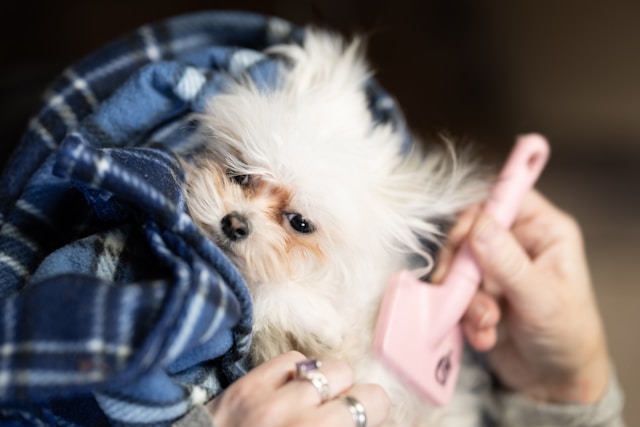
Brushing is one of the simplest yet most effective grooming practices. It helps remove loose fur, prevents mats, and distributes natural oils across your dog’s coat, keeping it shiny and healthy.
The frequency of brushing depends on your dog’s coat type. Dogs with long or thick coats may need daily brushing, while short-haired breeds can be brushed once or twice a week.
Regular brushing also allows you to check your dog’s skin for any abnormalities such as bumps, redness, or parasites. Early detection of these issues can prevent more serious health problems later.
Bathe Your Dog Properly
Bathing is another essential part of grooming, but it should be done carefully. Overbathing can strip your dog’s skin of natural oils, leading to dryness and irritation.
Most dogs only need a bath every four to six weeks, although active dogs or those that spend a lot of time outdoors may need more frequent baths. Always use a shampoo specifically formulated for dogs, as human products can disrupt their skin’s natural balance.
When bathing your dog, use lukewarm water and ensure you rinse thoroughly. Leftover shampoo residue can cause itching and discomfort. After the bath, dry your dog completely to prevent skin issues.
Keep Your Dog’s Nails Trimmed
Nail care is often overlooked, but it is crucial for your dog’s comfort and mobility. Long nails can cause pain, affect posture, and even lead to injuries.
If you notice your dog’s nails clicking on hard floors, it’s time for a trim. Use a proper dog nail clipper and take care not to cut into the quick, which is sensitive and can bleed.
If you’re unsure about trimming your dog’s nails, consider asking a professional groomer or veterinarian for guidance. Regular nail maintenance keeps your dog active and pain-free.
Pay Attention to Ear Hygiene
Dogs’ ears can accumulate dirt, wax, and moisture, making them prone to infections. Regular ear checks and cleaning are essential, especially for breeds with floppy ears.
Use a vet-approved ear cleaning solution and gently wipe the outer ear. Avoid inserting anything deep into the ear canal, as this can cause injury.
Watch for signs of ear problems, such as redness, bad odor, or excessive scratching. Addressing these issues early can prevent discomfort and more serious infections.
Maintain Good Dental Hygiene
Dental care is a critical yet often neglected aspect of dog grooming. Poor oral hygiene can lead to bad breath, gum disease, and other health issues.
Brushing your dog’s teeth several times a week with a dog-specific toothpaste can help prevent plaque buildup. Dental chews and toys can also support oral health by reducing tartar.
Starting dental care early helps your dog get used to the process and makes it easier to maintain over time.
Manage Shedding Effectively
Shedding is a natural part of a dog’s life, but it can be managed with proper grooming. Regular brushing is the most effective way to control shedding and keep your home cleaner.
During seasonal changes, dogs may shed more heavily. Increasing the frequency of brushing during these times can help manage loose fur and prevent it from accumulating around your home.
A healthy diet also contributes to coat health and can reduce excessive shedding.
Check for Skin and Coat Issues
Grooming sessions are a perfect opportunity to examine your dog’s skin and coat. Look for signs of irritation, dryness, parasites, or unusual lumps.
Catching these issues early can make a significant difference in your dog’s health. If you notice anything unusual, it’s best to consult a veterinarian for proper diagnosis and treatment.
Regular checks ensure that your dog remains comfortable and free from hidden health problems.
Make Grooming a Positive Experience
Creating a positive grooming experience is essential for your dog’s comfort and cooperation. Dogs that associate grooming with stress or discomfort may resist the process.
Use treats, praise, and gentle handling to make grooming enjoyable. Start with short sessions and gradually increase the duration as your dog becomes more comfortable.
Patience is important. Never force your dog into grooming, as this can create fear and anxiety. A calm and reassuring approach will help your dog feel safe and relaxed.
Know When to Seek Professional Help
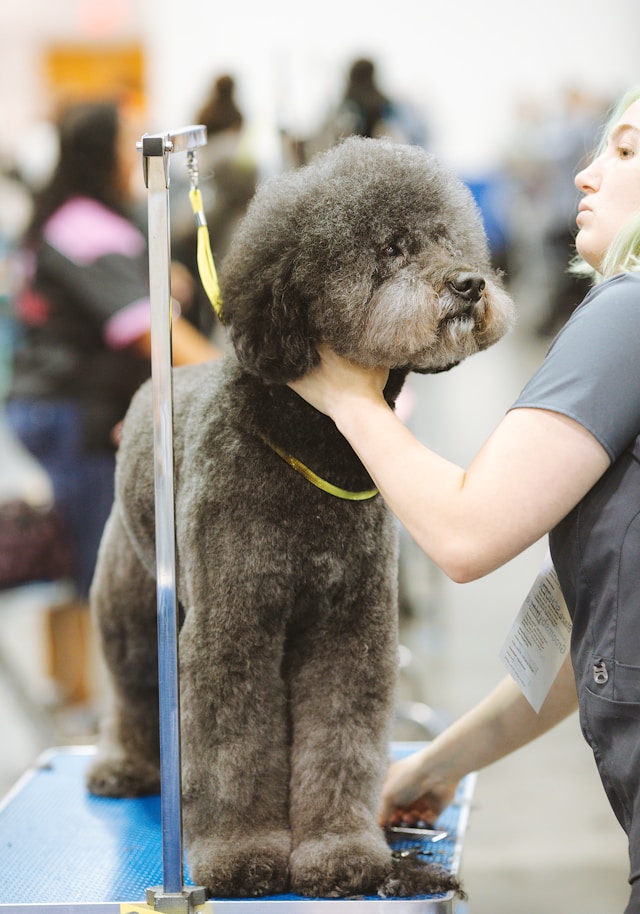
While many grooming tasks can be done at home, there are times when professional grooming is the best option. Dogs with thick, curly, or high-maintenance coats may require expert care.
Professional groomers have the experience and tools to handle complex grooming needs, including trimming, styling, and dealing with severe matting.
Combining at-home grooming with occasional professional care ensures your dog receives the best possible attention.
Avoid Common Grooming Mistakes
Many pet owners unintentionally make mistakes during grooming. Overbathing, using the wrong products, or neglecting certain areas can lead to discomfort and health issues.
Another common mistake is skipping regular grooming sessions. Waiting too long between grooming can result in matting, excessive shedding, and hygiene problems.
Taking a balanced and informed approach to grooming helps avoid these pitfalls and keeps your dog in top condition.
Final Thoughts on Dog Grooming Essentials
Dog grooming is an essential part of maintaining your pet’s health and happiness. By following these practical tips, you can ensure your dog stays clean, comfortable, and well cared for.
A consistent grooming routine not only improves your dog’s physical well-being but also strengthens your relationship with them. With the right approach, grooming becomes more than just a task—it becomes a meaningful way to care for your beloved companion.