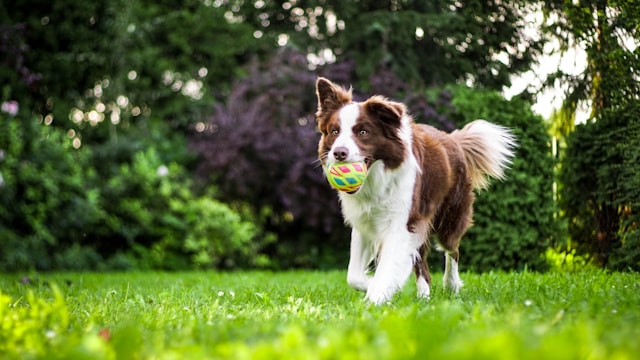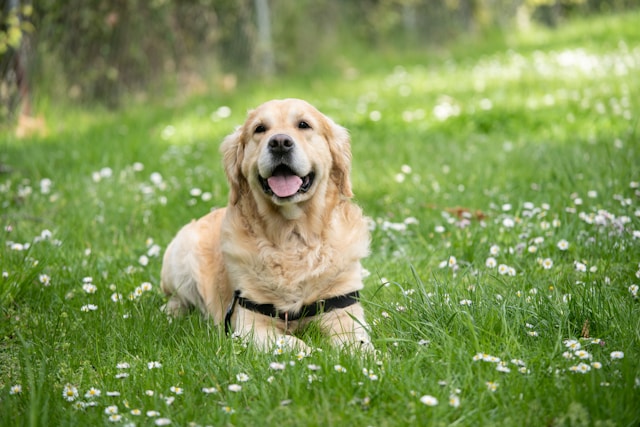


Dogs may not speak human language, but they communicate constantly through their body movements, facial expressions, and posture. Understanding your dog’s body language helps you recognize their emotions, needs, and intentions. This skill strengthens your bond, improves training, and prevents misunderstandings that can lead to stress or conflict.
By learning to read the subtle signals your dog sends, you can respond appropriately and create a safer, happier environment for both of you.
Why Understanding Dog Body Language Matters
Dogs rely on nonverbal communication more than vocal sounds. While barking, whining, and growling are important, most of their messages are expressed through posture and movement.
When owners understand these signals, they can:
- Recognize fear or discomfort early
- Prevent aggressive incidents
- Improve training success
- Build trust and confidence
- Strengthen emotional connection
Misinterpreting body language can lead to forcing a dog into uncomfortable situations, increasing anxiety and behavioral problems.
Reading the Whole Dog
Dog body language should always be interpreted as a complete picture. One signal alone may not reveal much, but combined with others, it provides clear meaning.
Pay attention to:
- Tail position and movement
- Ear position
- Eye expression
- Mouth and lips
- Body posture
- Movement patterns
Context also matters. A wagging tail during play means something different than a wagging tail during a tense encounter.
Tail Signals and Their Meanings
A dog’s tail is one of the most expressive parts of its body. Tail movement and position reveal emotional states.
High and Stiff Tail
A tail held high and stiff often indicates alertness, confidence, or possible aggression. The dog may be feeling territorial or challenged.
Low or Tucked Tail
A low or tucked tail usually signals fear, anxiety, or submission. The dog may feel threatened or insecure.
Relaxed Wagging Tail
A loose, side-to-side wag at mid-level generally means happiness and friendliness.
Fast, Rigid Wagging
Rapid, stiff wagging can indicate excitement mixed with tension. It does not always mean friendliness and may signal overstimulation.
Slow Wagging
A slow wag may show uncertainty or cautious interest. The dog is assessing the situation.
Ear Positions and What They Indicate
Ears help express alertness, mood, and confidence. Their meaning depends on breed and natural ear shape.
Forward and Upright
Ears pointing forward suggest curiosity, alertness, or focus. The dog is paying close attention.
Relaxed and Neutral
Ears in a natural resting position indicate calmness and comfort.
Pulled Back or Flattened
Ears pinned back often signal fear, stress, or submission. It may also indicate discomfort.
Moving Rapidly
Frequent ear movement suggests uncertainty or anxiety as the dog tries to understand its surroundings.
Understanding Eye Expressions
A dog’s eyes reveal strong emotional signals. Learning to read them helps prevent misunderstandings.
Soft Eyes
Relaxed, slightly squinted eyes show contentment and trust. This is often seen during calm interaction.
Wide Eyes
Eyes showing a lot of white, sometimes called “whale eye,” indicate fear, stress, or discomfort.
Direct Stare
A fixed stare may signal dominance, challenge, or discomfort. It can be a warning sign if combined with stiff posture.
Avoiding Eye Contact
Looking away often shows submission or a desire to avoid conflict. It is a calming signal.
Mouth and Facial Signals
The mouth provides important clues about emotional state.
Relaxed Mouth
A slightly open mouth with a relaxed tongue indicates calmness and comfort.
Panting
Panting is normal after exercise, but excessive panting may indicate stress, fear, or overheating.
Lip Licking
Quick lip licking can be a sign of nervousness or discomfort.
Yawning
Yawning is not always tiredness. In stressful situations, it may be a calming signal.
Showing Teeth
Baring teeth is a warning sign. It often indicates fear, defensiveness, or potential aggression.
Body Posture and Movement
A dog’s overall posture provides strong emotional information.
Loose and Wiggly Body
A relaxed, bouncy posture suggests happiness and playfulness.
Stiff and Rigid Body
A tense body indicates alertness, fear, or possible aggression. This is a sign to proceed with caution.
Crouching or Lowering
Lowered posture may show fear, submission, or uncertainty.
Rolling Over
Showing the belly can mean trust and relaxation, but it may also indicate submission. Always consider context.
Freezing
When a dog suddenly stops moving, it often signals discomfort or fear. This can be a warning sign before snapping.
Playful Body Language
Play behavior has its own clear signals.
Play Bow
When a dog lowers their front legs and raises their back end, it signals an invitation to play.
Bouncy Movements
Light, exaggerated movements indicate excitement and friendly intent.
Role Reversal
During healthy play, dogs take turns chasing and being chased, showing mutual enjoyment.
Self-Handicapping
Larger dogs may restrain themselves when playing with smaller dogs, showing social awareness.
Signs of Stress and Anxiety
Recognizing stress early helps prevent behavior problems.
Common stress signals include:
- Excessive yawning
- Lip licking
- Pacing
- Trembling
- Panting without exercise
- Avoidance behavior
- Tucked tail
- Flattened ears
If these signs appear, remove your dog from the stressful situation and provide reassurance.
Signs of Confidence and Relaxation
A confident, relaxed dog displays:
- Loose body posture
- Calm movements
- Soft eyes
- Neutral tail position
- Willing engagement
These dogs feel safe and secure in their environment.
Aggressive Warning Signals
Aggression rarely happens without warning. Dogs usually show multiple signals first.
Warning signs include:
- Growling
- Snarling
- Stiff posture
- Raised hackles
- Direct staring
- Snapping
Respect these signals. Never punish warning behavior, as it may cause a dog to skip warnings in the future.
How to Respond to Your Dog’s Signals
Understanding body language is only useful if you respond correctly.
When your dog shows stress, give them space and reassurance. When they show confidence, reinforce it with praise. When they show discomfort, stop the activity causing it.
Avoid forcing interaction when your dog is anxious. Let them approach situations at their own pace.
Positive responses build trust and emotional safety.
Teaching Children to Read Dog Signals
Children often misunderstand dog behavior, increasing the risk of bites. Teaching kids basic body language helps keep everyone safe.
Explain signs of fear, stress, and discomfort. Encourage gentle interaction and respect for the dog’s space.
Supervision is essential when children and dogs interact.
Improving Training Through Body Language
Training becomes more effective when you read your dog’s emotional state. A stressed dog learns poorly, while a relaxed dog learns faster.
Adjust training sessions based on your dog’s mood. Take breaks when signs of fatigue or frustration appear.
Clear communication improves learning and motivation.
Final Thoughts
Your dog communicates with you every day through body language. Learning to understand these signals allows you to respond with empathy, patience, and confidence.
By observing tail movements, ear positions, eye expressions, posture, and facial cues, you gain insight into your dog’s emotions and needs. This understanding strengthens your bond and prevents unnecessary conflict.
A dog who feels understood is more relaxed, cooperative, and emotionally balanced. When you listen to what your dog’s body is telling you, you build a relationship based on trust, respect, and lifelong companionship.