

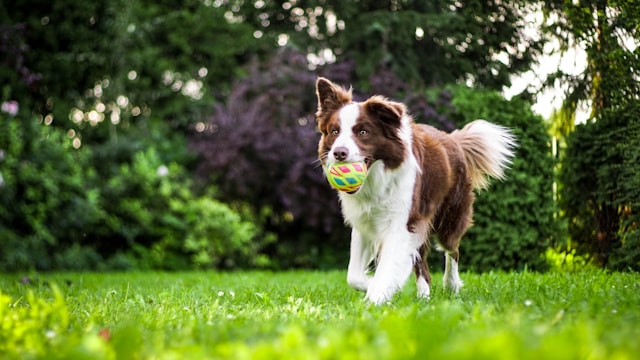
Dogs are loyal companions that bring joy, comfort, and energy into our lives. However, even the most loving pets can develop behavior problems that challenge their owners. These issues often arise from lack of training, boredom, anxiety, poor socialization, or misunderstanding between dogs and humans.
Understanding why behavior problems occur is the first step toward fixing them. With patience, consistency, and the right approach, most common dog behavior issues can be corrected. This guide explores frequent behavior problems and practical ways to resolve them.
Understanding the Root of Behavior Problems
Before correcting any behavior, it is important to understand its cause. Dogs rarely misbehave without reason. Most unwanted behaviors are expressions of unmet physical, mental, or emotional needs.
Common causes include:
- Lack of exercise
- Boredom and frustration
- Fear or anxiety
- Poor socialization
- Inconsistent training
- Past trauma
- Medical issues
Observing when and where the behavior occurs can help identify its trigger. Addressing the root cause makes training more effective and long-lasting.
Excessive Barking
Barking is a natural form of communication for dogs, but excessive barking can become a serious problem.
Why Dogs Bark Too Much
Dogs may bark excessively due to:
- Boredom
- Loneliness
- Fear
- Territorial behavior
- Attention-seeking
- Hunger or discomfort
Understanding the motivation behind barking helps you choose the right solution.
How to Fix Excessive Barking
Start by meeting your dog’s basic needs. Ensure they get enough exercise, mental stimulation, and social interaction.
Teach the “quiet” command by rewarding your dog when they stop barking on cue. Avoid yelling, as dogs may think you are joining in.
If barking is triggered by outside noise or movement, limit visual access to windows or provide calming background sounds. Consistent training and patience are key.
Chewing and Destructive Behavior
Chewing is normal for dogs, especially puppies, but destructive chewing can damage furniture, shoes, and household items.
Why Dogs Chew
Common reasons include:
- Teething
- Boredom
- Anxiety
- Lack of appropriate toys
- Separation stress
Chewing helps dogs relieve stress and explore their environment.
How to Fix Destructive Chewing
Provide plenty of safe chew toys and rotate them regularly to maintain interest. Make sure your dog gets enough physical activity to burn excess energy.
Keep valuable items out of reach and dog-proof your home. If anxiety is the cause, create a calm routine and consider gradual alone-time training.
Reward your dog when they choose appropriate items to chew.
Jumping on People
Jumping is often a friendly greeting behavior, but it can be uncomfortable or dangerous, especially with large dogs.
Why Dogs Jump
Dogs usually jump to seek attention, affection, or excitement. If jumping is rewarded with petting or laughter, it becomes a habit.
How to Fix Jumping
Ignore your dog when they jump. Turn away and avoid eye contact. Reward them only when all four paws are on the ground.
Teach your dog to sit when greeting people. Ask visitors to follow the same rule to maintain consistency.
With practice, your dog will learn that calm behavior gets attention.
Pulling on the Leash
Walking should be enjoyable for both you and your dog, but leash pulling can make walks stressful.
Why Dogs Pull
Dogs pull because they are excited, curious, or trying to move faster than you. They are naturally motivated to explore their surroundings.
How to Fix Leash Pulling
Use a comfortable harness or training collar. When your dog pulls, stop walking. Resume only when the leash is loose.
Reward your dog for walking calmly beside you. Practice in quiet areas before moving to busier locations.
Consistency helps your dog understand that pulling slows them down.
Separation Anxiety
Separation anxiety occurs when dogs become distressed when left alone. It can lead to destructive behavior, barking, and house accidents.
Signs of Separation Anxiety
Common symptoms include:
- Excessive barking or whining
- Chewing furniture or doors
- Pacing
- Drooling
- Attempts to escape
How to Fix Separation Anxiety
Start by gradually increasing the time your dog spends alone. Leave for short periods and return calmly.
Create a comfortable space with toys, bedding, and familiar scents. Avoid dramatic departures and arrivals.
Provide mental stimulation before leaving, such as puzzle toys or long walks. In severe cases, professional training support may be needed.
Aggression Toward People or Other Dogs
Aggression is a serious issue that requires careful handling. It can stem from fear, territorial behavior, pain, or poor socialization.
Causes of Aggression
Aggression may be triggered by:
- Past trauma
- Lack of socialization
- Resource guarding
- Fear
- Medical conditions
Never ignore aggressive behavior, as it can escalate over time.
How to Fix Aggression
Consult a professional trainer or behaviorist for proper assessment. Avoid punishment, as it often worsens aggression.
Use positive reinforcement to reward calm behavior. Gradual exposure to triggers under controlled conditions can help reduce fear-based aggression.
Safety should always be the top priority.
House Soiling and Potty Accidents
Accidents inside the home are frustrating but common, especially in puppies and newly adopted dogs.
Why Dogs Have Accidents
Reasons include:
- Incomplete house training
- Stress
- Medical problems
- Irregular schedules
- Marking behavior
How to Fix Potty Problems
Establish a consistent feeding and bathroom schedule. Take your dog outside frequently, especially after meals and naps.
Reward successful outdoor bathroom trips immediately. Clean accidents thoroughly to remove odor traces.
If accidents persist, consult a veterinarian to rule out medical issues.
Begging for Food
Begging can become a persistent habit that disrupts meals and encourages unhealthy eating.
Why Dogs Beg
Dogs beg because they associate human food with rewards. Even occasional feeding from the table reinforces the behavior.
How to Fix Begging
Never feed your dog from the table. Stick to regular meal times and portions.
Teach your dog to go to a designated spot during meals and reward calm behavior. Consistency from all family members is essential.
Over time, your dog will learn that begging does not lead to food.
Fear and Anxiety
Fearful dogs may hide, tremble, bark, or act aggressively. Anxiety reduces quality of life and affects behavior.
Causes of Fear
Fear may be caused by:
- Loud noises
- Past trauma
- Lack of socialization
- Sudden changes
- New environments
How to Fix Fear and Anxiety
Expose your dog gradually to feared situations while providing positive reinforcement. Never force them into stressful situations.
Create a safe space where your dog can retreat when overwhelmed. Maintain a predictable routine to increase confidence.
Professional guidance may be helpful for severe anxiety.
Attention-Seeking Behavior
Some dogs develop behaviors such as pawing, whining, or stealing objects to gain attention.
Why Dogs Seek Attention
Attention-seeking often results from loneliness, boredom, or lack of structured interaction.
How to Fix Attention-Seeking
Ignore unwanted attention-seeking behavior and reward calm, appropriate actions.
Provide regular playtime, training, and affection. Mental stimulation reduces the need for constant attention.
Teaching your dog independence builds emotional balance.
Creating a Positive Training Environment
A supportive environment makes behavior correction easier and more effective.
Key principles include:
- Consistent rules
- Clear communication
- Positive reinforcement
- Patience and understanding
- Daily exercise
- Mental stimulation
Avoid punishment-based training methods. Fear-based techniques damage trust and often worsen behavior.
When to Seek Professional Help
If behavior problems persist despite consistent training, professional help is recommended. Certified trainers and animal behaviorists can create customized plans based on your dog’s needs.
Early intervention prevents small problems from becoming lifelong issues.
Final Thoughts
Behavior problems are common among dogs, but they are rarely permanent. Most issues can be corrected through understanding, patience, and positive training methods.
By meeting your dog’s physical and emotional needs, maintaining consistency, and reinforcing good behavior, you can transform challenges into opportunities for growth.
A well-behaved dog is not the result of punishment, but of trust, communication, and mutual respect. With the right approach, every dog can become a happy, balanced, and well-adjusted companion.