
Introduction
Selecting the right grooming tools is essential for maintaining your dog’s health, comfort, and appearance. Every dog has a unique coat type that requires specific care techniques and equipment. Using improper tools can lead to discomfort, ineffective grooming, skin irritation, and long-term coat damage.
Many pet owners rely on generic grooming supplies without understanding how coat structure affects grooming needs. This often results in excessive shedding, matting, and frustration for both the dog and the owner. When the correct tools are used, grooming becomes easier, safer, and more enjoyable.
This article explains how different coat types influence grooming requirements and provides detailed guidance on choosing the most suitable tools. By understanding your dog’s coat and selecting proper equipment, you can create an effective grooming routine that promotes long-term health and happiness.
Understanding the Importance of Proper Grooming Tools
Grooming tools are designed to perform specific functions, such as removing loose hair, detangling knots, distributing natural oils, and trimming excess fur. Each tool works best on certain coat textures and lengths.
Using inappropriate equipment can pull hair, scratch the skin, and cause pain. Over time, this may lead to grooming anxiety and resistance. Proper tools minimize discomfort, protect the skin, and improve grooming efficiency.
Investing in quality grooming equipment is not only beneficial for appearance but also supports hygiene, circulation, and overall well-being.
Identifying Your Dog’s Coat Type
Before selecting grooming tools, it is essential to identify your dog’s coat type. Most dogs fall into one or more of the following categories.
Short Coats
Short-coated dogs have smooth, close-fitting fur with minimal length. Examples include Beagles, Boxers, and Dobermans. These coats shed regularly but rarely tangle.
Medium-Length Coats
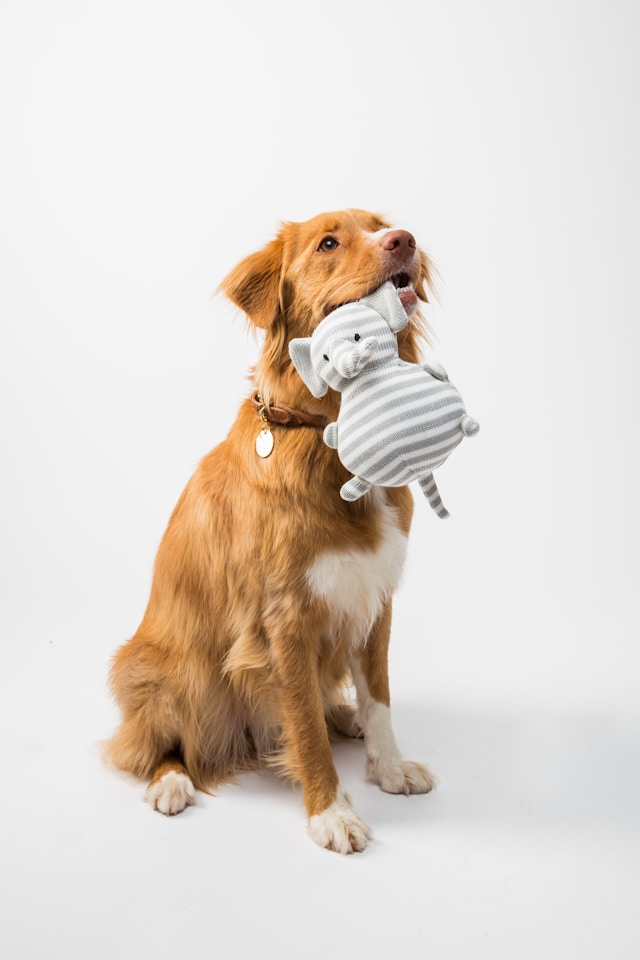
Medium-coated breeds have thicker fur that may shed seasonally. Golden Retrievers, Border Collies, and Australian Shepherds fall into this category.
Long Coats
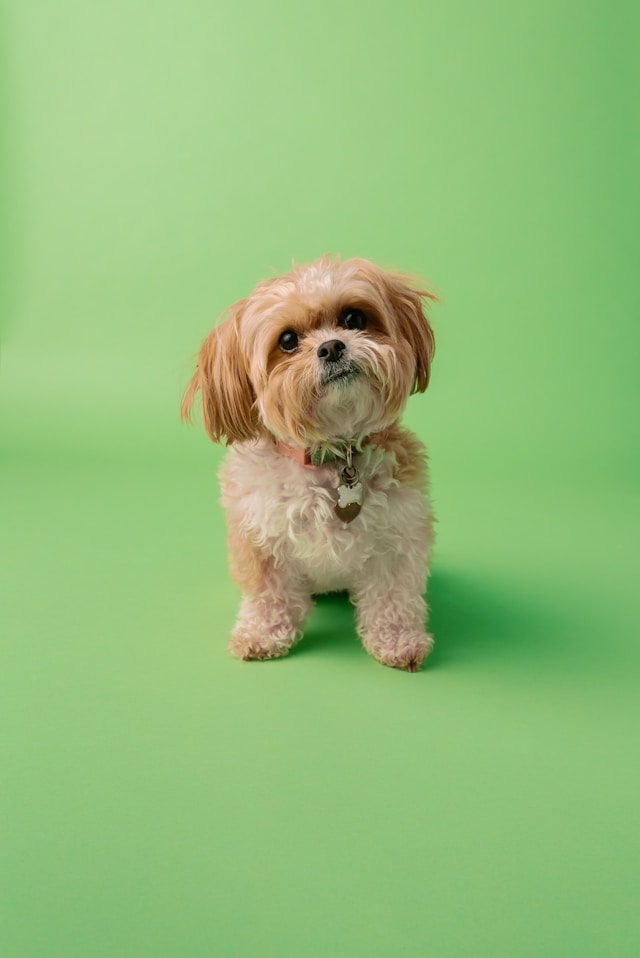
Long-coated dogs have flowing fur that easily tangles and mats. Breeds such as Shih Tzus, Maltese, and Afghan Hounds require frequent maintenance.
Double Coats
Double-coated breeds have a dense undercoat beneath a longer outer coat. Examples include Huskies, German Shepherds, and Samoyeds. These dogs experience heavy shedding.
Curly Coats
Curly-coated breeds, such as Poodles and Bichon Frises, have tightly curled hair that requires regular trimming and detangling.
Wire Coats
Wire-coated dogs, including Terriers and Schnauzers, have coarse, bristly hair that requires specialized grooming techniques.
Identifying your dog’s coat type ensures that you select tools that meet specific grooming demands.
Essential Grooming Tools for All Coat Types
Regardless of coat type, certain grooming tools are useful for every dog owner.
A basic grooming kit should include:
- A high-quality brush and comb
- Dog-specific shampoo and conditioner
- Nail clippers or grinder
- Ear-cleaning solution and cotton pads
- Canine toothbrush and toothpaste
- Towels and pet-safe dryer
These items form the foundation of any grooming routine and support overall hygiene.
Tools for Short-Coated Dogs
Short-coated dogs require minimal grooming, but proper tools still enhance coat health and reduce shedding.
Bristle Brushes
Bristle brushes are ideal for short coats. They remove loose hair, stimulate the skin, and distribute natural oils evenly.
Rubber Brushes and Mitts
Rubber grooming brushes and gloves attract loose hair and massage the skin. They are especially effective during shedding seasons.
Soft Combs
Fine-tooth combs help remove dirt and check for parasites. They are useful for sensitive areas such as the face and neck.
Using these tools once or twice a week keeps short coats clean and shiny.
Tools for Medium-Length Coats
Medium-length coats require more frequent brushing to prevent tangles and manage shedding.
Slicker Brushes
Slicker brushes have fine, short wires that remove loose hair and small tangles. They are highly effective for medium coats.
Pin Brushes
Pin brushes resemble human hairbrushes and are gentle on longer fur. They help smooth the coat and prevent matting.
Undercoat Rakes
For shedding breeds, undercoat rakes remove loose undercoat without damaging the top layer.
Regular use of these tools maintains coat texture and reduces hair buildup.
Tools for Long-Coated Dogs
Long coats demand daily attention and specialized equipment to prevent matting.
Wide-Tooth Combs
Wide-tooth combs gently separate long hair and remove knots. They are essential for detangling without causing pain.
Slicker Brushes
Slicker brushes help remove tangles and debris from long fur. Use them gently to avoid scratching the skin.
Dematting Tools
Dematting tools cut through stubborn mats safely. They should be used carefully and only when necessary.
Grooming Scissors
Rounded-tip scissors allow for safe trimming around sensitive areas such as the eyes, ears, and paws.
These tools help maintain comfort and prevent severe matting.
Tools for Double-Coated Dogs
Double-coated breeds require specialized tools to manage heavy shedding and undercoat buildup.
Undercoat Rakes
Undercoat rakes penetrate the topcoat to remove loose undercoat. They are essential during seasonal shedding.
Deshedding Tools
Deshedding tools reduce shedding by removing dead hair efficiently. They should be used in moderation to avoid over-thinning.
Slicker Brushes
Slicker brushes remove surface tangles and debris. They complement undercoat tools for complete grooming.
Regular use of these tools prevents overheating and matting.
Tools for Curly-Coated Dogs
Curly coats require careful maintenance to prevent tangles and uneven texture.
Pin Brushes
Pin brushes gently separate curls and reduce breakage. They are suitable for daily brushing.
Detangling Combs
Detangling combs help remove knots and maintain curl definition.
Clippers
Electric clippers are essential for maintaining consistent length. Choose quiet, low-vibration models to reduce anxiety.
Grooming Scissors
Scissors are useful for shaping and detailing around sensitive areas.
These tools support hygiene and appearance for curly-coated breeds.
Tools for Wire-Coated Dogs
Wire coats require specialized techniques, including hand-stripping and trimming.
Slicker Brushes
Slicker brushes remove loose hair and debris from coarse fur.
Stripping Knives
Stripping knives are used to remove dead hair and maintain coat texture. They should be used only after proper training.
Thinning Shears
Thinning shears blend trimmed areas and maintain natural appearance.
These tools preserve the unique texture of wire coats.
Selecting the Right Size and Quality
Choosing the correct size and quality of tools is just as important as selecting the right type.
Small dogs require lightweight, narrow tools, while large breeds benefit from wider, sturdier equipment. Handles should be ergonomic and non-slip for better control.
High-quality stainless steel blades, durable bristles, and sturdy construction ensure longevity and safety. Cheap tools may break easily and cause discomfort.
Investing in reliable brands improves grooming results and reduces long-term costs.
Maintaining and Cleaning Grooming Tools
Proper maintenance extends the lifespan of grooming equipment and protects your dog’s health.
Remove hair and debris after each use. Wash brushes and combs regularly with warm water and mild disinfectant. Dry thoroughly to prevent rust and bacterial growth.
Sharpen scissors and replace dull blades as needed. Store tools in a clean, dry location.
Clean equipment ensures hygienic and effective grooming sessions.
Matching Tools to Your Grooming Routine
Your grooming routine influences which tools you need most. Dogs groomed frequently require gentler, everyday tools, while occasional grooming may require stronger equipment.
For example, daily brushing requires soft pin brushes, while seasonal shedding calls for undercoat rakes and deshedding tools.
Adjust your toolkit based on changes in coat condition, age, and lifestyle.
When to Seek Professional Guidance
Some coat types require advanced techniques that are difficult to master at home. Wire coats, severe matting, and breed-specific styles often need professional expertise.
Professional groomers can recommend suitable tools and demonstrate proper usage. Periodic professional care complements home grooming and ensures optimal results.
Seeking expert guidance prevents mistakes and enhances long-term coat health.
The Role of Nutrition in Coat Quality
Proper nutrition supports grooming effectiveness. Diets rich in protein, omega fatty acids, and essential vitamins improve coat strength and elasticity.
Healthy skin and fur respond better to brushing and resist damage. Supplements should only be used under veterinary advice.
Nutrition and grooming work together to maintain a vibrant, resilient coat.
Conclusion
Choosing the right grooming tools for your dog’s coat type is a fundamental aspect of effective pet care. Each coat type has unique requirements that influence tool selection, grooming frequency, and maintenance techniques.
By identifying your dog’s coat type, investing in high-quality equipment, and maintaining tools properly, you create a safe and efficient grooming routine. Using appropriate brushes, combs, clippers, and specialty tools reduces discomfort, prevents damage, and enhances appearance.
When combined with proper nutrition, consistency, and occasional professional support, the right grooming tools contribute to improved health, comfort, and happiness. Through informed choices and dedicated care, pet owners can ensure that their dogs enjoy clean, well-maintained coats throughout every stage of life.