
Introduction
Teaching your dog essential commands is a cornerstone of responsible pet ownership. Well-trained dogs are safer, more obedient, and easier to manage in everyday situations. Mastering basic commands not only improves communication between dog and owner but also strengthens the bond of trust and understanding. This step-by-step training guide outlines the key commands every dog should learn, with practical instructions and expert tips for effective training.
Why Basic Commands Matter
Basic commands provide structure and security for both you and your dog. They help prevent dangerous situations, reduce behavioral issues, and ensure your dog is well-mannered in public. Some commands are crucial for safety, such as “come” or “leave it,” while others improve daily life and household harmony, such as “sit” or “stay.”
Benefits of Training Commands
- Enhances communication and understanding.
- Prevents accidents and injuries.
- Builds confidence in both dog and owner.
- Improves socialization with people and other animals.
- Promotes mental stimulation and reduces boredom.
Preparing for Training
Before teaching commands, preparation is essential for success.
Choose the Right Environment
Begin training in a quiet, low-distraction space. This helps your dog focus and learn the behavior without interruptions. Gradually introduce distractions as your dog becomes proficient.
Gather High-Value Rewards
Treats, toys, and praise motivate dogs during training. High-value rewards—treats or toys the dog loves—are particularly effective for new or challenging behaviors.
Keep Sessions Short and Consistent
Dogs learn best in brief, frequent sessions of 5–15 minutes. End on a positive note to maintain enthusiasm.
Use Clear, Consistent Cues
Always use the same verbal command and hand signal for each behavior. Consistency prevents confusion and reinforces learning.
Step-by-Step Guide to Essential Commands
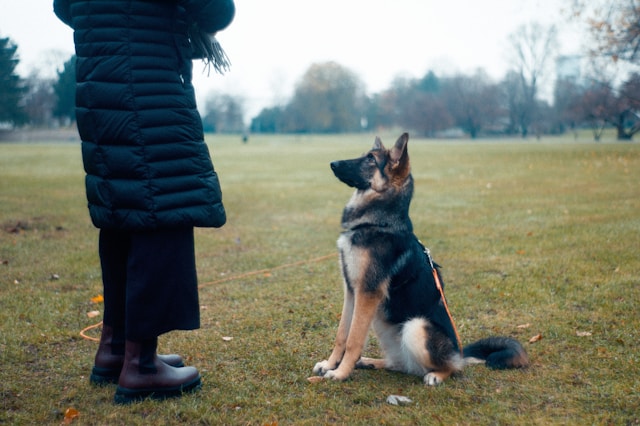
1. Sit
Purpose: Establishes control, calm behavior, and serves as a foundation for other commands.
Training Steps:
- Hold a treat close to your dog’s nose.
- Move the treat slowly upward, causing the dog to sit naturally.
- As soon as the dog sits, say “sit” clearly, give the treat, and offer praise.
- Repeat multiple times in short sessions until your dog responds reliably.
2. Stay
Purpose: Teaches patience, control, and safety in various situations.
Training Steps:
- Ask your dog to sit.
- Hold your hand out in a stop gesture and say “stay.”
- Take one step back. If the dog stays, reward immediately.
- Gradually increase the distance and duration over time.
Expert Tip: Always return to your dog before giving the reward to prevent the dog from following you and breaking the stay.
3. Come
Purpose: Ensures safety and recall in potentially dangerous situations.
Training Steps:
- Start in a controlled environment with minimal distractions.
- Use a cheerful tone and say “come” while gently encouraging your dog.
- Reward immediately when the dog approaches you.
- Practice at increasing distances and with added distractions.
Expert Tip: Never punish your dog for not coming; it may create negative associations with recall.
4. Leave It
Purpose: Prevents dogs from ingesting harmful objects or unwanted behaviors.
Training Steps:
- Place a treat in front of the dog but do not allow them to take it.
- When the dog looks away or refrains from touching it, say “leave it” and reward immediately.
- Gradually introduce more tempting items and longer durations.
Expert Tip: Use this command to redirect attention and prevent dangerous situations during walks or outdoor play.
5. Down
Purpose: Encourances calm behavior and serves as a foundation for more advanced commands.
Training Steps:
- Start with your dog in a sitting position.
- Hold a treat near the nose and slowly move it to the ground.
- As the dog lies down, say “down,” reward, and praise.
- Practice in short sessions until the dog responds consistently.
6. Wait
Purpose: Similar to stay but used for temporary pauses, such as at doors or before meals.
Training Steps:
- Ask your dog to sit or stay.
- Say “wait” and hold your hand in a stop gesture.
- Allow only a few seconds initially, then gradually extend the time.
- Reward when the dog remains in place.
7. Heel
Purpose: Encourages polite leash walking and prevents pulling.
Training Steps:
- Start with the dog on your left side.
- Hold a treat at your side to guide the dog’s position.
- Say “heel” and walk slowly, rewarding the dog for staying by your side.
- Gradually increase the distance and pace.
Tips for Effective Command Training
Timing Is Key
Reward immediately after the desired behavior. Delayed reinforcement can confuse the dog and reduce effectiveness.
Be Patient and Consistent
Some dogs learn quickly, while others need more repetitions. Consistency and patience are essential for lasting results.
Use Positive Reinforcement
Praise, treats, and toys encourage repeated success. Avoid punishment, which can create fear and anxiety.
Gradually Increase Difficulty
Start with basic commands in controlled environments. Slowly introduce distractions, distance, and longer durations as your dog improves.
Practice Daily
Reinforce commands throughout the day in real-life situations to ensure reliability and generalization.
Troubleshooting Common Issues
Slow Learners
Break tasks into smaller steps and reward incremental progress. Maintain short, focused sessions to prevent frustration.
Distraction Sensitivity
Start training in quiet areas, then slowly increase distractions. Use high-value rewards to maintain focus.
Inconsistent Responses
Ensure all family members use the same commands and cues. Consistency across caregivers strengthens learning.
Conclusion
Teaching your dog essential commands is critical for safety, obedience, and a well-mannered companion. Using clear, consistent cues, positive reinforcement, and structured practice helps dogs master behaviors such as sit, stay, come, leave it, down, wait, and heel. By following this step-by-step training guide, pet owners can foster trust, communication, and long-lasting behavioral skills. Consistency, patience, and daily practice transform training into a rewarding experience for both you and your dog.