
Introduction
Grooming is an essential aspect of caring for a dog, but new pet owners often make mistakes that can harm their dog’s health, comfort, and appearance. From improper brushing techniques to using the wrong products, these errors can lead to matting, skin irritation, and behavioral issues. Understanding common grooming mistakes and learning how to avoid them ensures your dog stays healthy, happy, and looking their best. This guide provides expert advice for new dog owners on how to navigate grooming correctly.
Neglecting Regular Brushing
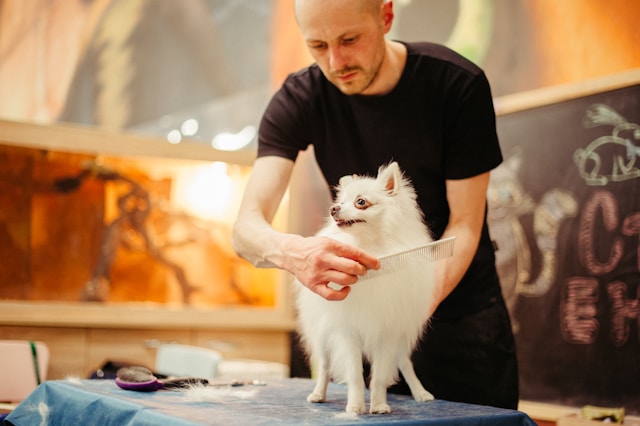
One of the most common mistakes is failing to brush a dog regularly. Brushing removes loose hair, distributes natural oils, prevents matting, and stimulates blood circulation.
- Short-coated breeds: Even dogs with short hair benefit from brushing at least once a week.
- Long or curly coats: Daily brushing is essential to prevent tangles and mats.
- Double-coated breeds: Regular deshedding helps manage heavy seasonal shedding.
Expert Tip: Use the appropriate brush for your dog’s coat type. A slicker brush works well for long or curly coats, while a bristle brush is suitable for short-haired dogs. Brushing in the direction of hair growth and gently detangling knots reduces discomfort and keeps the coat healthy.
Over-Bathing or Under-Bathing
Bathing too frequently can strip a dog’s coat of natural oils, causing dryness, itching, and irritation. Conversely, infrequent bathing can lead to a dirty coat, odor, and skin infections.
- Bathing frequency: Most dogs do well with a bath every 4–6 weeks, but this varies depending on breed, activity level, and skin condition.
- Shampoo selection: Always use dog-specific shampoo and conditioner. Human products can disrupt the skin’s pH balance and cause irritation.
Expert Tip: Brush before bathing to remove tangles, and rinse thoroughly to eliminate all shampoo residue. For long or curly coats, consider applying a conditioner to prevent mats and improve softness.
Ignoring Nail and Paw Care
Overgrown nails can cause discomfort, pain, and walking difficulties. Many new owners neglect this aspect of grooming, leading to long-term issues.
- Trimming frequency: Check nails weekly and trim every 2–4 weeks depending on growth.
- Technique: Cut small amounts at a time to avoid hitting the quick, especially in dark nails. Nail grinders can be used for a smoother finish.
Expert Tip: Inspect paw pads regularly for cracks, dryness, or debris. Apply dog-safe paw balm to maintain moisture and protect against irritation.
Neglecting Ear Cleaning
Ear infections are common in dogs, particularly those with floppy ears or heavy coats. Ignoring ear care can lead to discomfort, odor, and more serious infections.
- Cleaning routine: Clean ears every 1–2 weeks using a veterinarian-approved solution.
- Technique: Wipe the visible outer ear gently. Avoid inserting cotton swabs deep into the canal.
Expert Tip: Look for signs of redness, odor, or discharge, which may indicate infection. Early attention prevents more serious health issues.
Using the Wrong Tools
Using inappropriate grooming tools can damage your dog’s coat, irritate the skin, or make grooming stressful.
- Brushes: Using a slicker brush on a short-coated dog or a bristle brush on a curly coat can be ineffective or painful.
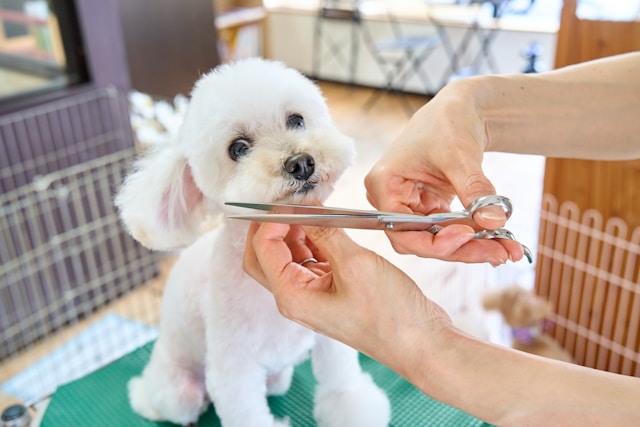
- Clippers and scissors: Dull or low-quality tools can cause cuts or uneven trims.
Expert Tip: Invest in high-quality, breed-appropriate grooming tools and maintain them regularly. Clean brushes, sharpen scissors, and ensure clippers are functioning correctly before each session.
Cutting Hair Incorrectly
Improper haircuts or trimming techniques are common mistakes among new dog owners. Cutting too close to the skin, trimming unevenly, or removing too much coat can cause injury or affect the dog’s natural insulation.
- Long and curly coats: Always detangle before trimming and cut small sections at a time.
- Double coats: Never shave these coats completely, as it can disrupt natural temperature regulation and lead to sunburn.
Expert Tip: If unsure, seek guidance from a professional groomer, particularly for complex breed-specific styles.
Neglecting Dental Hygiene
Dental care is often overlooked during grooming. Poor oral hygiene can lead to bad breath, gum disease, and systemic health issues.
- Brushing: Use dog-safe toothpaste and a soft toothbrush to clean teeth several times per week.
- Dental chews: Provide chews and toys designed to reduce plaque and tartar buildup.
Expert Tip: Monitor for signs of oral health problems, such as red gums, drooling, or difficulty eating, and consult a veterinarian promptly.
Not Recognizing Skin and Coat Problems
New owners may fail to notice early signs of skin issues, parasites, or coat problems. Untreated conditions can worsen and affect overall health.
- Common problems: Dry skin, redness, hot spots, fleas, ticks, or excessive shedding.
- Prevention: Regular grooming allows early detection and timely intervention.
Expert Tip: Examine your dog during grooming sessions. Look for lumps, bumps, rashes, or unusual odors. Early detection improves treatment outcomes.
Rushing Grooming Sessions
Trying to rush through grooming can make dogs anxious, increase the risk of injury, and reduce effectiveness.
- Puppies and sensitive dogs: Short, positive sessions are more effective than long, stressful ones.
- Consistency: Regular, calm grooming sessions help dogs become comfortable with the routine.
Expert Tip: Use treats, praise, and gentle handling to create a positive association with grooming. Gradually increase the duration as the dog becomes accustomed.
Failing to Maintain a Grooming Schedule
Inconsistent grooming can lead to matting, odor, and other health issues. Many new owners underestimate how often brushing, bathing, nail trimming, and ear cleaning should occur.
- Create a schedule: Weekly brushing, monthly baths, and regular nail, ear, and dental care.
- Adapt to breed and lifestyle: Active dogs or those with long coats may require more frequent grooming.
Expert Tip: Track grooming sessions using a calendar or app to maintain consistency.
Conclusion
Avoiding common grooming mistakes is essential for new dog owners who want to ensure their pets remain healthy, comfortable, and well-groomed. Regular brushing, proper bathing, nail and ear care, dental hygiene, and using the right tools are fundamental practices. By following expert advice and maintaining a consistent grooming routine, new owners can prevent discomfort, health issues, and stress, while keeping their dog looking and feeling their best. With patience, knowledge, and proper technique, grooming becomes an enjoyable experience that strengthens the bond between you and your dog.